AUSTRAC's new accountant guidance and starter kit: free resources, heavy admin, and how to implement sanely
AUSTRAC has released a program starter kit and guidance for accountants under AML/CTF Tranche 2. Here is what it includes, why it is document heavy, and how to operationalise it without drowning in admin.
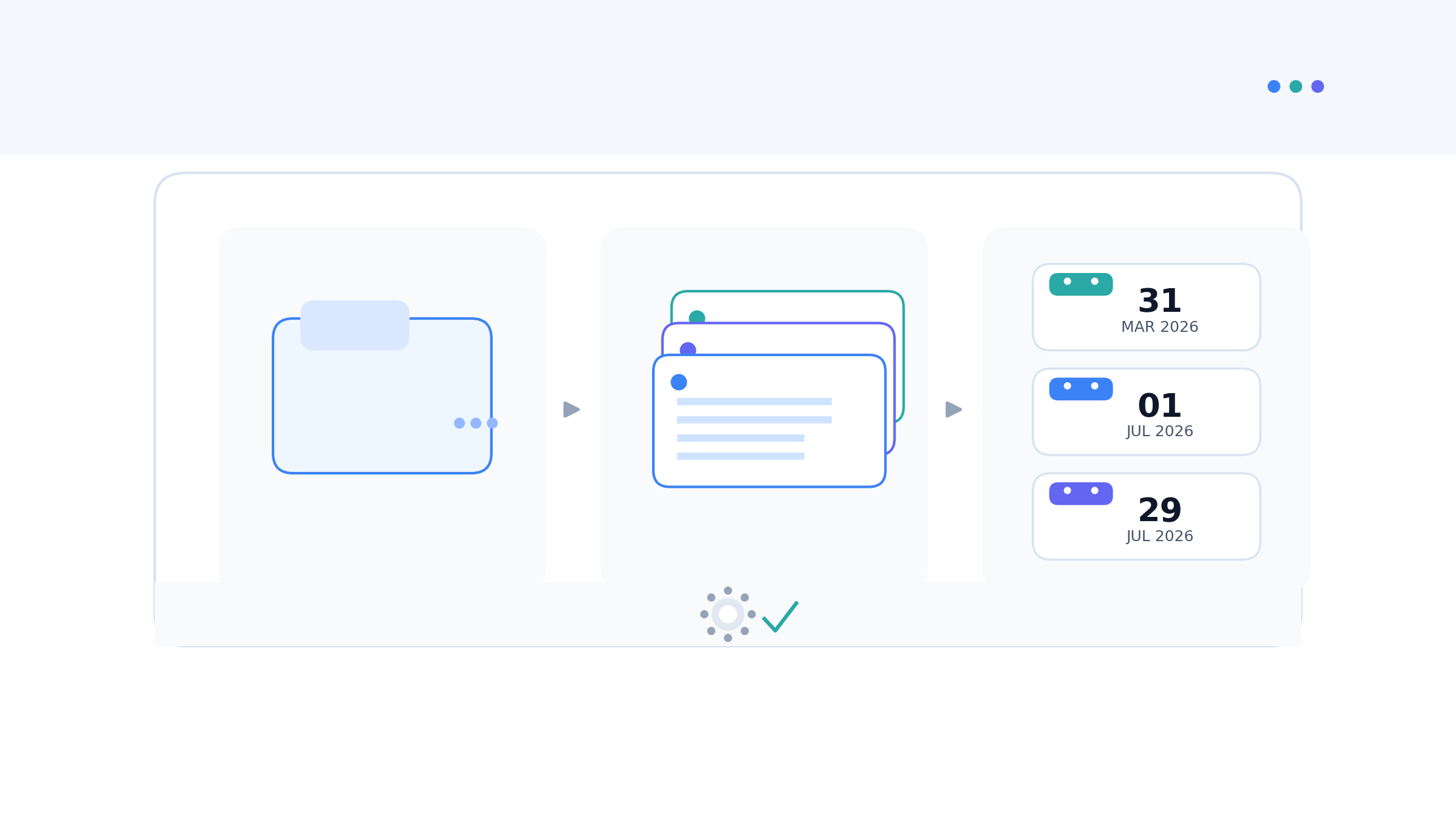
AUSTRAC has now released dedicated guidance for the accounting sector, including an "accounting program starter kit" with templates designed to help newly regulated firms build their AML/CTF program.
This is a positive step. The content is practical and it is free.
It is also, by design, documentation heavy. The starter kit is delivered through downloadable documents and forms. That is workable, but it can become labour intensive fast unless you convert it into a system your staff can follow consistently.
This article explains what AUSTRAC has released, what it includes, and the simplest way to use it without drowning in admin.
Key dates firms should anchor to
AUSTRAC's reform timeline sets out these milestones for tranche 2 entities: - End of January 2026: program starter kits published - 31 March 2026: enrolment opens - 1 July 2026: AML/CTF obligations start - You must ensure your business is enrolled by 29 July 2026
What AUSTRAC has released for accountants
1) Sector specific guidance and a program starter kit
AUSTRAC has stated it is publishing program starter kits from the end of January 2026 as sector specific guidance for certain tranche 2 entities, including accountants.
The accounting program starter kit is structured as a complete package with steps to customise, use, maintain, and review your program.
2) A document library with the core program documents
The starter kit document library stores the documents that form the package in one place and includes a customise guide.
The core documents in the kit are: - Risk assessment - Policy document - Process document
AUSTRAC's Step 1 guidance is explicit that these documents are customised to reflect your practice model, services, clients and risks, and once customised and approved they become your AML/CTF program.
3) Practical guidance on automation versus manual processes
The process document is designed to describe how you carry out AML/CTF activities in practice, including where you may use automated systems or tools instead of manual processes.
AUSTRAC also notes in the document library tips that most practices will only use a small number of forms day to day, and that if you integrate the forms into your existing systems during customisation, you use your systems in place of the forms.
That single point matters. It is the difference between a program that lives in Word documents and a program that runs through your business.
The honest reality: free does not mean low effort
AUSTRAC has done the hard work of publishing baseline guidance and templates.
Where most accounting firms will feel the pain is not in finding a template. It is in the operational load around it: - deciding what applies to your firm and what does not - tailoring documents without creating contradictions - tracking version control, approvals, and changes over time - training staff so the process is followed consistently - storing evidence in a way you can retrieve quickly - handling exceptions, high risk clients, and escalations without chaos
If the program stays as documents, it becomes a compliance theatre exercise. If it becomes routines and workflows, it becomes defensible.
A simple implementation approach that does not over engineer
This is the cleanest way to implement AUSTRAC's starter kit without getting stuck in admin.
Step 1: Confirm scope before you write anything
Confirm whether you provide designated services and are captured. Do not assume based on the fact you are an accounting firm.
Step 2: Customise the three core documents properly
Work through the risk assessment, policy, and process documents as your baseline program.
Be brutally specific about: - your services - your client types - your delivery channels - your foreign jurisdiction exposure - who owns each AML/CTF activity in your firm
Step 3: Convert the documents into operational routines
For each key process, define: - trigger: when does this happen - owner: who is responsible - minimum steps: what must occur every time - evidence: what is recorded and where it is stored - escalation: what happens when something is higher risk
If you cannot answer those, the program will not run day to day.
Step 4: Decide where you will automate
If you use automation such as electronic verification or screening tools, ensure the outcome meets or exceeds the process requirements you have adopted.
The goal is not to automate everything. The goal is to remove repetitive decision fatigue and manual form filling where it adds no value.
Step 5: Train and review
Treat training as an ongoing control, not a one off event. Review your program when your practice changes, not only on a calendar cycle.
Where Nelvo fits
AUSTRAC's starter kit gives you documents and forms.
Nelvo is designed to help accounting firms turn the same requirements into a system that is easier to run and easier to evidence.
Nelvo helps you: - map obligations to practical controls - maintain a firm risk register linked to what staff actually do - run repeatable workflows rather than relying on manual forms - capture evidence as you go, not hunt for it later - start from an accounting starter pack where the linking is already done, then tailor it to your practice
Important: Nelvo provides tools and templates. Your firm remains responsible for tailoring, implementing, and maintaining its AML/CTF program and meeting its legal obligations.
What you should do next
If you are newly regulated and you want a calm rollout:
1. Read AUSTRAC's accountant guidance hub and the starter kit documents 2. Identify the small number of forms and processes you will actually use day to day 3. Decide where you will run it manually and where you will embed it into systems 4. Build an evidence trail that is easy to maintain
Free guidance is a great start. Execution is the real work.
Additional reading
AUSTRAC - <a href="https://www.austrac.gov.au/reforms/sector-specific-guidance/accountant-guidance" target="_blank" rel="nofollow noopener noreferrer">Accountant guidance hub</a> - <a href="https://www.austrac.gov.au/amlctf-reform/whats-coming-soon-help-you" target="_blank" rel="nofollow noopener noreferrer">What's coming soon to help you (program starter kits from end of January 2026)</a> - <a href="https://www.austrac.gov.au/amlctf-reform/preparing-changes-if-youre-newly-regulated" target="_blank" rel="nofollow noopener noreferrer">Preparing for the changes if you're newly regulated (key dates and readiness)</a> - <a href="https://www.austrac.gov.au/reforms/sector-specific-guidance/accountant-guidance/accounting-program-starter-kit/step-1-customise-your-accounting-program-using-starter-kit" target="_blank" rel="nofollow noopener noreferrer">Accounting program starter kit: Step 1 customise your program</a> - <a href="https://www.austrac.gov.au/reforms/sector-specific-guidance/accountant-guidance/accounting-program-starter-kit/accounting-program-starter-kit-document-library" target="_blank" rel="nofollow noopener noreferrer">Accounting program starter kit: Document library</a> - <a href="https://www.austrac.gov.au/amlctf-reform/reforms-guidance/before-you-start/summary-obligations-reform" target="_blank" rel="nofollow noopener noreferrer">Summary of obligations (reform guidance, enrol by 29 July 2026 for most newly regulated designated services)</a>
Chartered Accountants ANZ - <a href="https://www.charteredaccountantsanz.com/member-services/smp-resource-centre/smaller-practices/resources/auamlctf" target="_blank" rel="nofollow noopener noreferrer">New Australian AML/CTF requirements hub for practices</a>
Disclaimer
This article is general information only and is not legal, financial, or compliance advice. It is not tailored to your circumstances. AML/CTF obligations and regulator guidance can change. You should obtain independent professional advice and consult AUSTRAC guidance before making compliance decisions.